
Sixteen entrances to the Oopbuy Spreadsheet, and the rule waiting behind each one
Sixteen entrances into one catalogue. What differs between them is not the shop but the rule that bites: liquids have a volume limit, caps crush in a sealing bag, a belt cut to length cannot be returned, and a watch reaches the bench under the rule for electronics, which is looked at and never switched on.
Sixteen categories, and the rule that bites in each
Sixteen tiles, one catalogue behind them. What changes from tile to tile is the rule underneath: the operator's own line about that category, and whether it makes the category a forgiving first order or an expensive one.
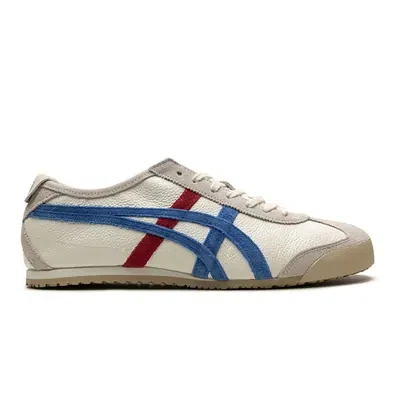 SneakersBrowseShoe boxes travel inside the parcel, so run the estimator with the boxed dimensions. On most lines the chargeable weight is the greater of actual and length x width x height over 8000.
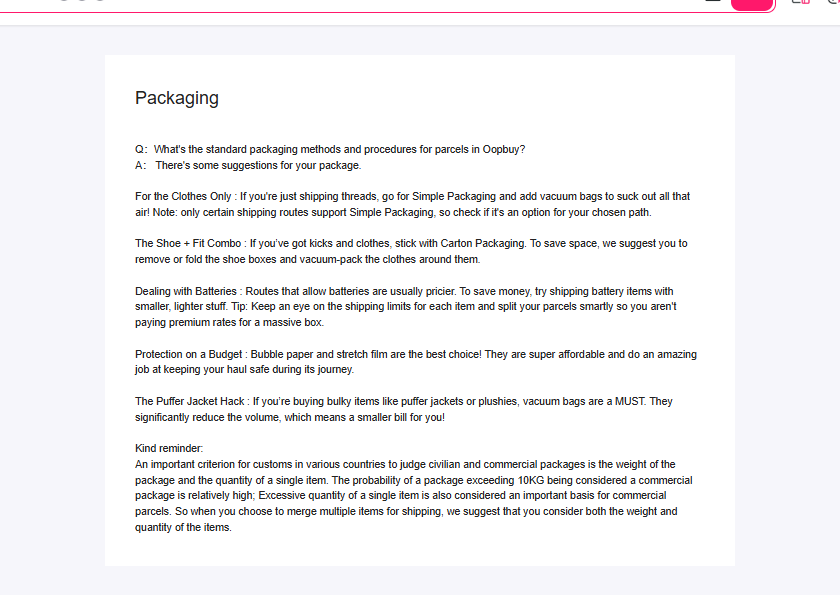
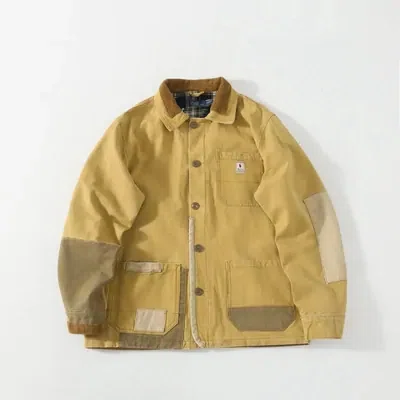 Jackets & coatsBrowseBulky and light is the worst case for volumetric billing. Vacuum bags are the operator's own suggestion for puffers, and the rehearsal pack tells you the real weight first.
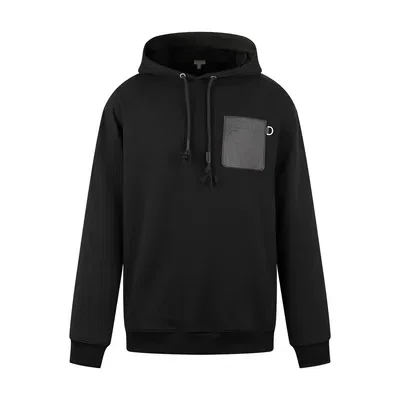 HoodiesBrowseThe free check verifies size against the label, not against you. A one-yuan detail photo with a tape across the chest is the cheapest fact on the whole order.
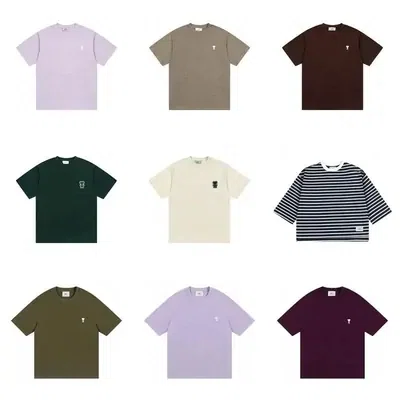 T-shirtsBrowseLow weight, low risk: a good first order to learn the two shipping payments on, estimated first and settled after packing.
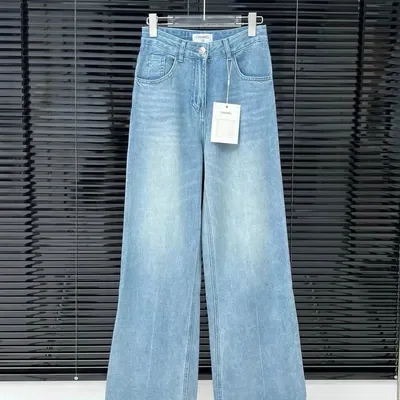 JeansBrowseWaist and inseam come from the seller's label at inspection. If the listing's size chart is the only measurement you have, ask for the tape before the 120-hour return window ends.
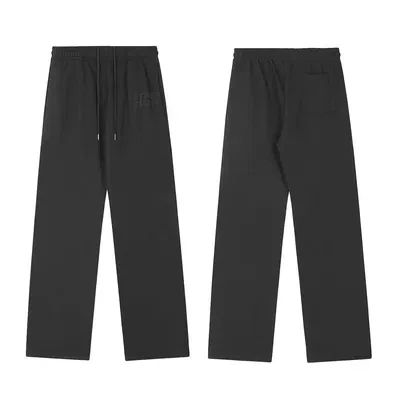 SweatpantsBrowseSize error is excluded from inspection by name, so a wrong length is a return question, and one return operation is free of the service fee about once a month, on whichever clock the request page is counting.
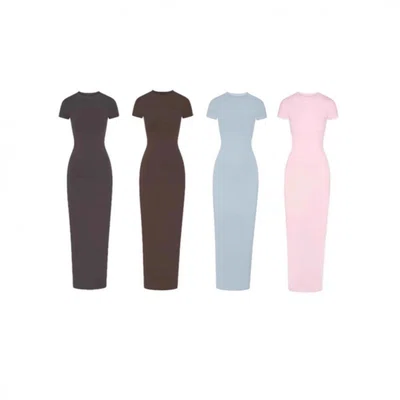 WomenswearSearchNo womenswear shelf exists to open: garments are filed by what they are, so a query stands in for one. Size is still checked against the seller's label, never against you.
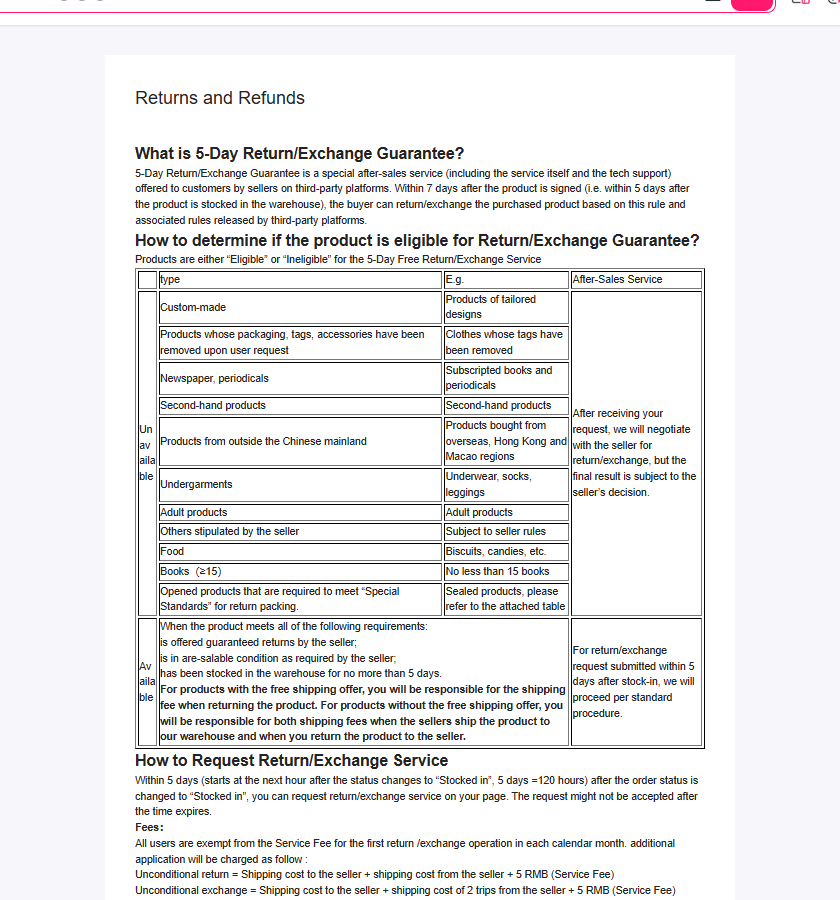
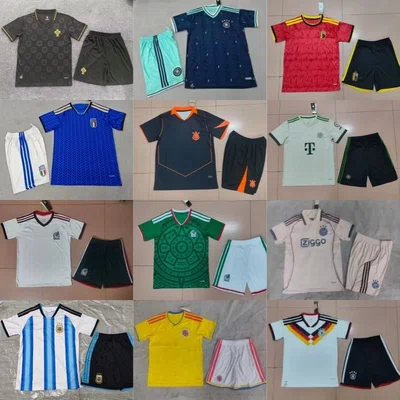 JerseysBrowseNames and numbers are often applied after you order, which puts the finished shirt in the customised bucket: returns need the seller's agreement, so check the print in the photos.
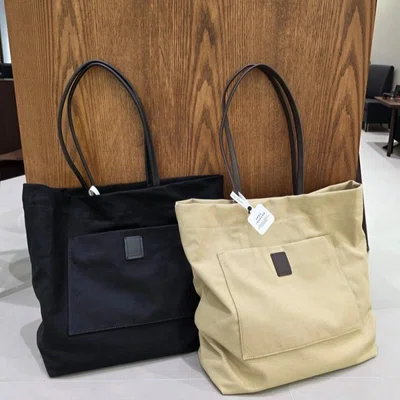 BagsBrowseThe warehouse removes the courier box and repacks into its own sealing bag; a structured bag that needs its box is where the packing choice at parcel time earns its fee.
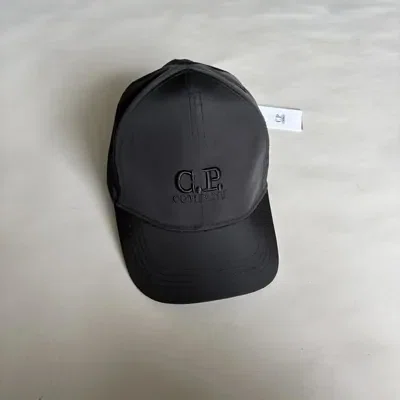 Hats & capsBrowseCaps crush in a sealing bag. Decide carton packing at checkpoint four, not after the photos arrive.
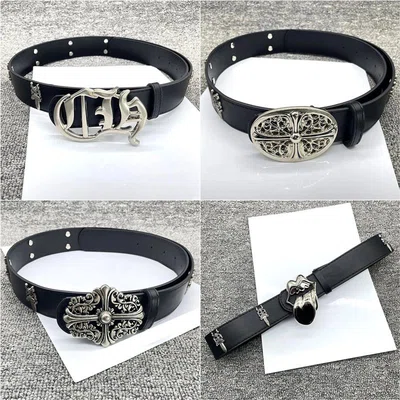 BeltsBrowseA belt cut to length is custom-made in the returns table, which means no no-reason return. Get the measurement right at order time.
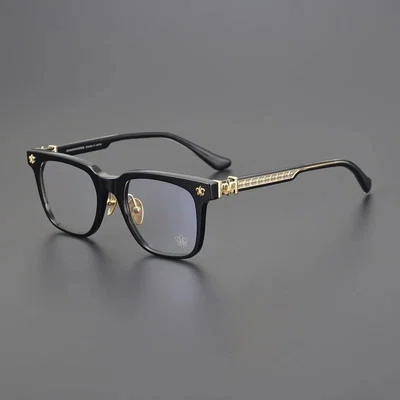 EyewearBrowseInspection is appearance only, so nothing optical gets tested and a prescription sits outside the free scope. That is our reading of the usage-effect exclusion, not a rule the operator writes down.
 PerfumeBrowseLiquids over 150 ml are refused outright, and bottles under 100 ml each, 200 ml total, are only attempted. Read the restriction before the listing, not after the warehouse flags it.
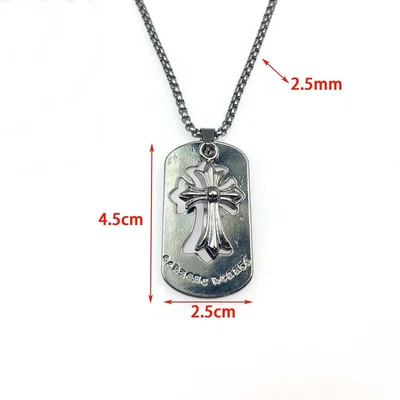 JewelleryBrowseLight, small, cheap to ship, and the exact case where a detail photo of the clasp costs one yuan and saves a return.
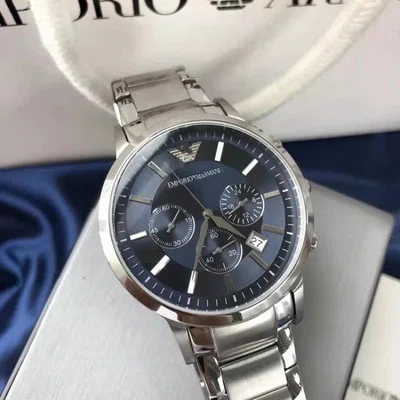 WatchesBrowseExpect the bench to treat a watch the way the rules treat electronics: appearance only, nothing switched on, sealed accessories not counted. The rule names electronics; a watch is our reading of it.
 ElectronicsBrowseAppearance only at inspection, batteries restricted on most lines, and the DDP lines are the ones that carry the fifty-yuan clearance fee the fee page does not mention.
Nothing is sold on this page. What is here is the part a product card cannot carry: the rule that applies once the item is in somebody else's warehouse.
Judging the catalogue itself
How to judge a spreadsheet site before you trust it
What makes a useful spreadsheet is maintenance, and catalogues rot quietly: a listing sells out or a shop shuts, and the card stays exactly as attractive as it was. Open five cards at random; if two of them have gone, the rest of the shelf is probably the same age. Then check whether anything on the page is dated. A catalogue willing to say when it last looked at something has given you a way to hold it to account, and one that is not willing has told you something too. Last, scroll two categories side by side and see whether they really hold different goods or the same few dozen items dealt out twice.
Apply the same test here. Every page on this site names the page each number came from and the day it was read; the updates page lists the dates together. If they stop moving, treat the numbers as history.

Mall or spreadsheet
Why this spreadsheet, and why read it here
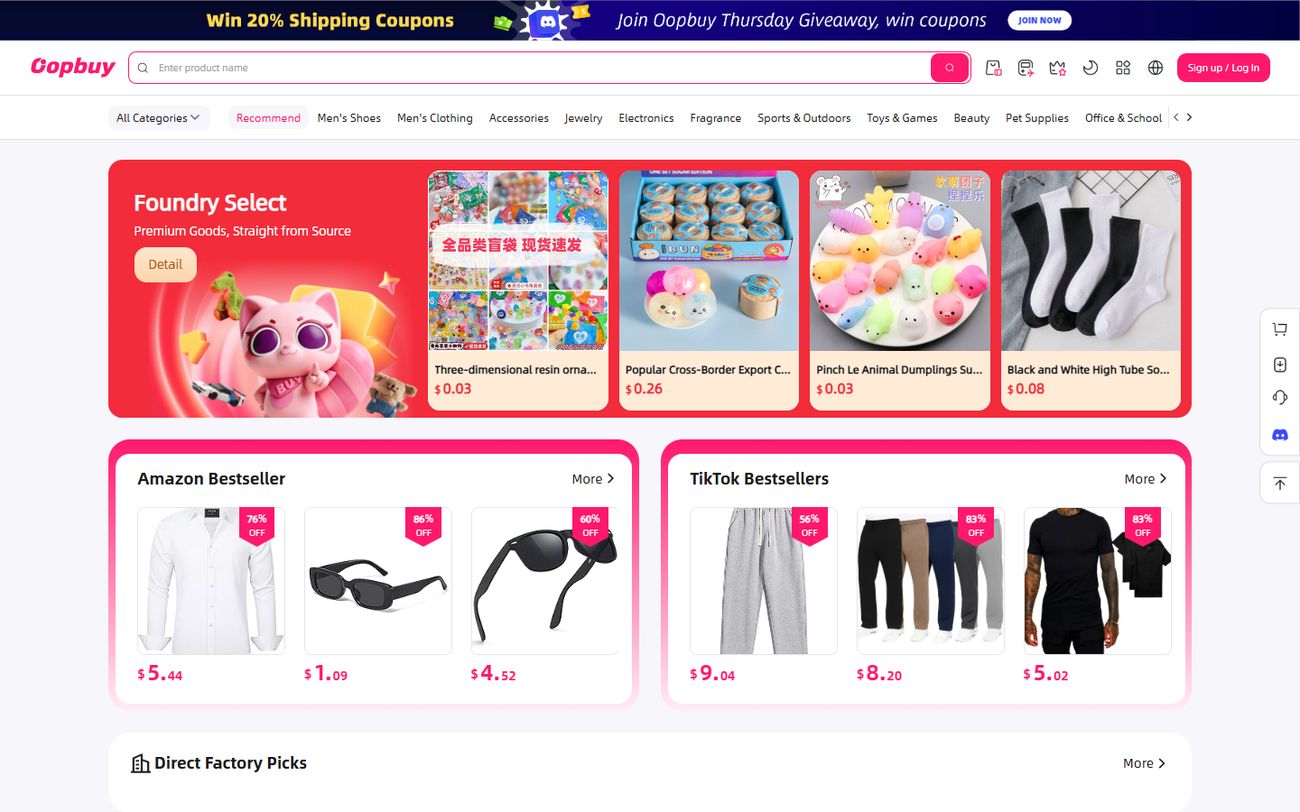
Oopbuy's own site has a Mall: a retail catalogue of wholesale goods, slippers at twenty-two cents and socks at seven, with flash sales. It is a different thing from a spreadsheet. The Mall is the operator choosing stock; a spreadsheet is a catalogue of marketplace listings you choose from, bought on your instruction, with the seller's page one click away.
What this guide adds to the catalogue is the layer the cards cannot carry: for each category, which of the operator's rules will touch it, and the strict number to plan around. A card tells you a jacket costs 180 yuan. This page tells you the jacket will be billed by volume unless it is vacuum-packed, that the warehouse will measure nothing unless you buy a one-yuan photo, and that you have 120 hours after stock-in to send it back to the seller.
Reading a listing through the agent's rules
Most of what goes wrong is decided on the listing, before anyone in a warehouse touches the goods. The free inspection verifies the item against your order, so an order placed with the wrong variant passes inspection. Size is checked against the label, so a seller whose label runs small passes inspection too; size error is excluded by name.
Read for things that will still be true under warehouse light. Written measurements beat model shots. A listing whose images are mosaic-covered, or sold as a mystery bag, cannot be verified at all. A listing that says the item is customised, or cut to length, puts the goods in the no-return column of the operator's own table.
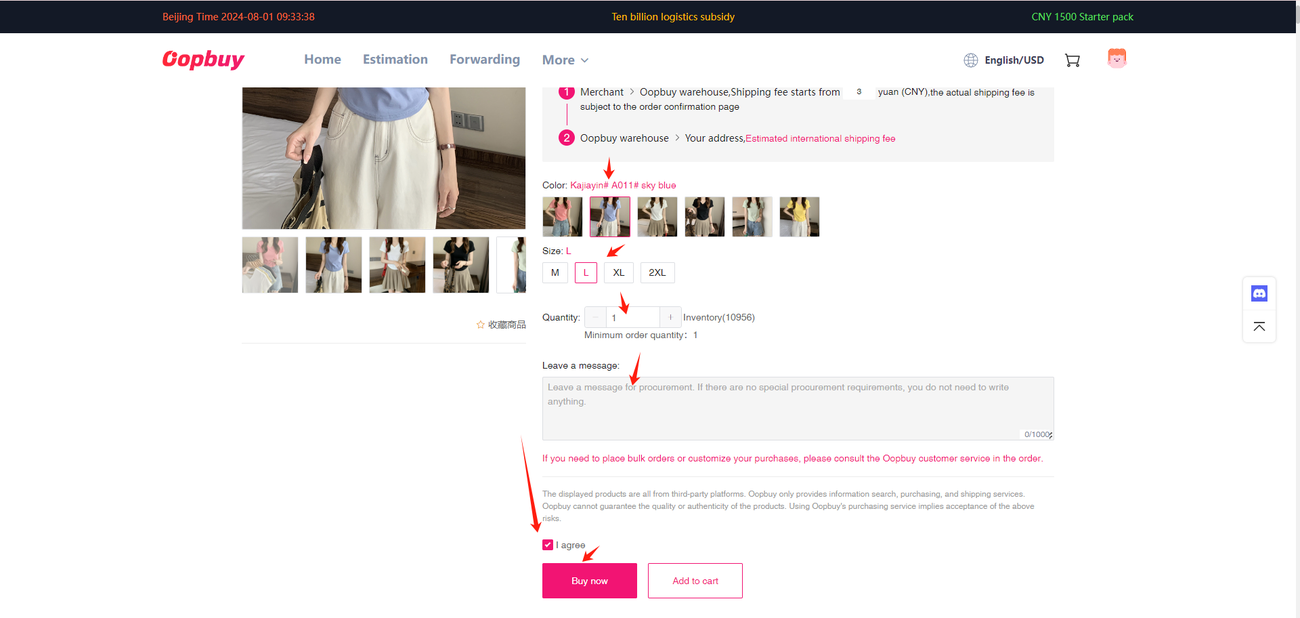
Then look at the order page itself. The tutorial's fourth step is where style, size and quantity are fixed; after the seller ships, a change means a return and a new order at your cost. Notes to the buyer go in the remark field on the same screen.
Which categories forgive a careless order
Forgiving: tees, hoodies, jeans, jerseys without printing, jewellery. Light, cheap to ship, inspected for the things that go wrong with them, and returnable within the window if the seller allows returns.
Unforgiving: anything with a liquid limit (perfume over 150 ml is refused, smaller bottles are only attempted), anything with a battery (fewer and dearer lines), anything bulky and light (billed by volume), anything sealed (inspected from the outside), anything customised (no no-reason return), and large-volume electronics on a duty-paid line (fifty yuan clearance the fee page does not mention).
If this is a first order, keep it to a couple of the forgiving things, bought from a single shop so there is one domestic courier rather than three, with a one-yuan photo bought of whichever measurement would make the order worthless if it were wrong, and shipped on a line whose details panel you opened rather than one picked off the top of the list.
Who the seller answers to
Choosing a seller when the agent, not you, is the customer
You never talk to the shop. The agent does, and the agent's returns table decides what a bad seller costs you. Wrong item or a real quality fault: the seller normally pays the return shipping, unless the seller insists otherwise. Changed your mind, bought the wrong size, or the seller says there is no fault: you pay both shipping legs plus five yuan, with one operation a month free of the fee.
So the seller qualities that matter are the ones that reduce your-fault returns: real measurements, consistent photos across the shop, a stated material, a return policy on the listing. Free shipping at purchase is not free on a return; the first dispatch has to be paid back.
Second-hand platforms are a separate decision: the goods are ineligible for the no-reason return altogether.
How the lookup on this site works
The planning-number lookup takes one question and returns a ledger. At the top, the figure to plan around. Below it, every official statement about that question, ranked by the kind of source it is, each with its article id and the date the page was created, the binding one marked. At the bottom, where to verify and which checkpoint the action belongs to.
It is deliberately not a calculator. It will not estimate your total; the operator's own estimator does that better, with live rates. It answers the question before that one: which number do I plan with, and where do I check it.